Jul 28, 2026Home Automation Guides
WiFi vs Zigbee vs Matter: Choosing the Right Protocol for Smart Home OEM Projects
Compare WiFi, Zigbee and Matter for smart home OEM projects, including cost, gateway requirements, interoperability, energy use and product planning.
Choosing the right connectivity protocol is one of the most important decisions in a smart home OEM or ODM project. It affects product cost, app experience, installation, battery life, interoperability and long-term product support. WiFi, Zigbee and Matter each solve different problems, so the best choice depends on the product category and target market.
- Start with the Product and Use Case
Before comparing protocols, define what the device must do. A wall switch, battery-powered sensor, thermostat, video doorbell and central control panel have very different requirements. Consider power source, data volume, response time, installation environment, number of devices and whether a gateway is acceptable.
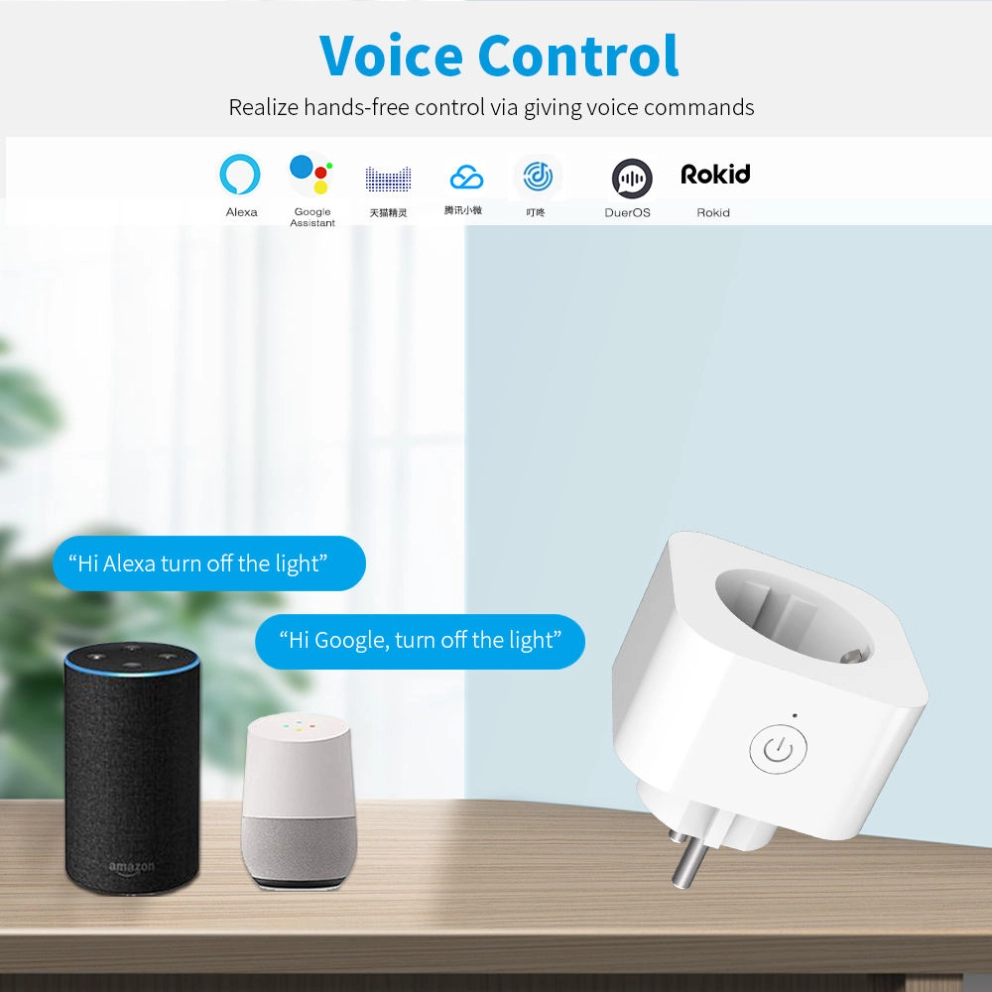
For example, a WiFi smart plug can connect directly to a home router and is easy to explain to retail customers. A Zigbee sensor can achieve lower power consumption and form part of a larger coordinated system. Matter can help a brand pursue broader ecosystem compatibility, but product design and certification planning must be handled carefully.
- When WiFi Is the Practical Choice
WiFi is widely available and familiar to end users. Direct-to-router products can reduce the need for a dedicated hub, which makes WiFi attractive for smart plugs, switches, cameras, video doorbells and selected appliances.
The advantages of WiFi include simple consumer onboarding, direct cloud connectivity and strong bandwidth for video or frequent data transmission. The trade-offs include higher power consumption, dependence on router quality and possible congestion when many devices share the same network.
For OEM buyers, confirm whether the product uses 2.4 GHz WiFi, which app platform is supported, how firmware updates are managed and what happens if the internet connection is interrupted.
- When Zigbee Works Better
Zigbee is often selected for multi-device systems and battery-powered products. It uses a gateway or coordinator and supports mesh networking, allowing compatible powered devices to extend the network.
Zigbee can be a strong choice for motion sensors, door and window sensors, temperature sensors, smart switches, curtain controls, thermostats and security accessories. It offers low power consumption and predictable local communication within a properly designed system.
The main planning requirement is the gateway. Buyers should define which Zigbee version and cluster specifications are used, how third-party devices are handled and whether the solution supports local scenes when the internet is unavailable.
- What Matter Changes
Matter is an interoperability standard designed to help compatible smart home products work across major ecosystems. Matter can run over WiFi, Thread or Ethernet, depending on the device type. It should not be treated as a replacement for every wireless protocol; instead, it adds a common application layer and commissioning approach.
For brands, Matter may reduce ecosystem fragmentation and improve the customer proposition. However, it also introduces additional development, testing, certification and lifecycle requirements. Ask the manufacturer which Matter version is supported, whether the product is already certified, how device attestation is handled and which ecosystem tests have been completed.
- Gateway and Local Control Strategy
A professional smart home project should define what continues working without cloud access. Lighting scenes, sensor alarms, thermostat schedules and door-entry functions may need local operation for reliability and response speed.
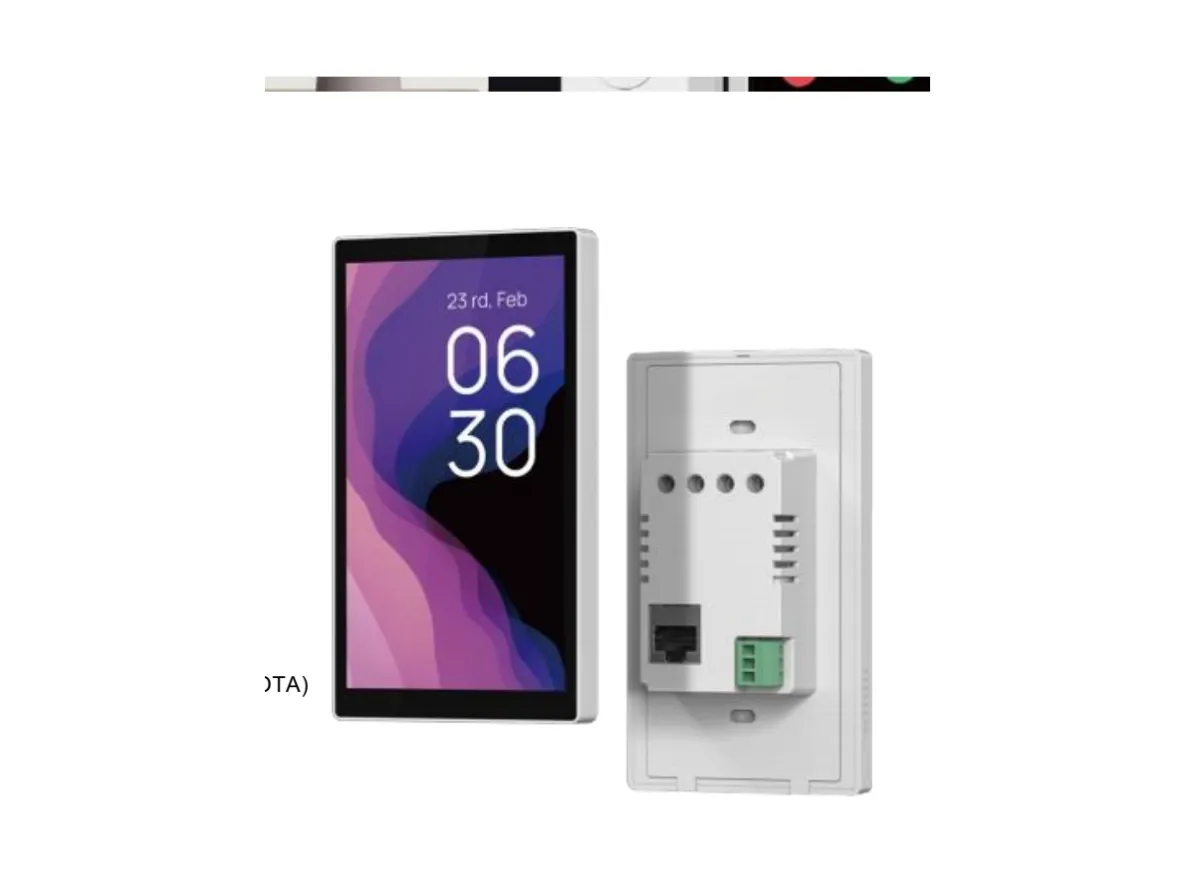
A central control panel or gateway can coordinate Zigbee devices, connect to WiFi or Ethernet and provide a unified user interface. For apartments, villas, hotels and commercial projects, local control can be as important as remote app access.
Specify whether the gateway supports OTA updates, scene automation, user permissions, backup and recovery, third-party API integration and protocol expansion.
- App, Cloud and Data Questions
Connectivity hardware is only one part of the solution. Buyers should also review the mobile app, cloud service, account system and data responsibilities.
Important questions include:
• Is the product compatible with Tuya Smart, Smart Life or a private-label app?
• Can the logo, colors, onboarding screens and app store listing be customized?
• Which cloud regions are available?
• Are device logs and remote diagnostics supported?
• What is the policy for firmware maintenance and security updates?
• Can the system connect with Alexa, Google Home, Apple Home or other platforms?
- Cost and MOQ Planning
A direct WiFi device may have a straightforward bill of materials, while a Zigbee system requires gateway planning. Matter products may involve additional development and certification expenses. The lowest unit price is not always the lowest total project cost.
Request a quotation that separates hardware, tooling, packaging, firmware, app customization, certification, samples and mass-production costs. Also confirm MOQ by model, color, plug type, panel standard and packaging option.
- Recommended Protocol by Product Type
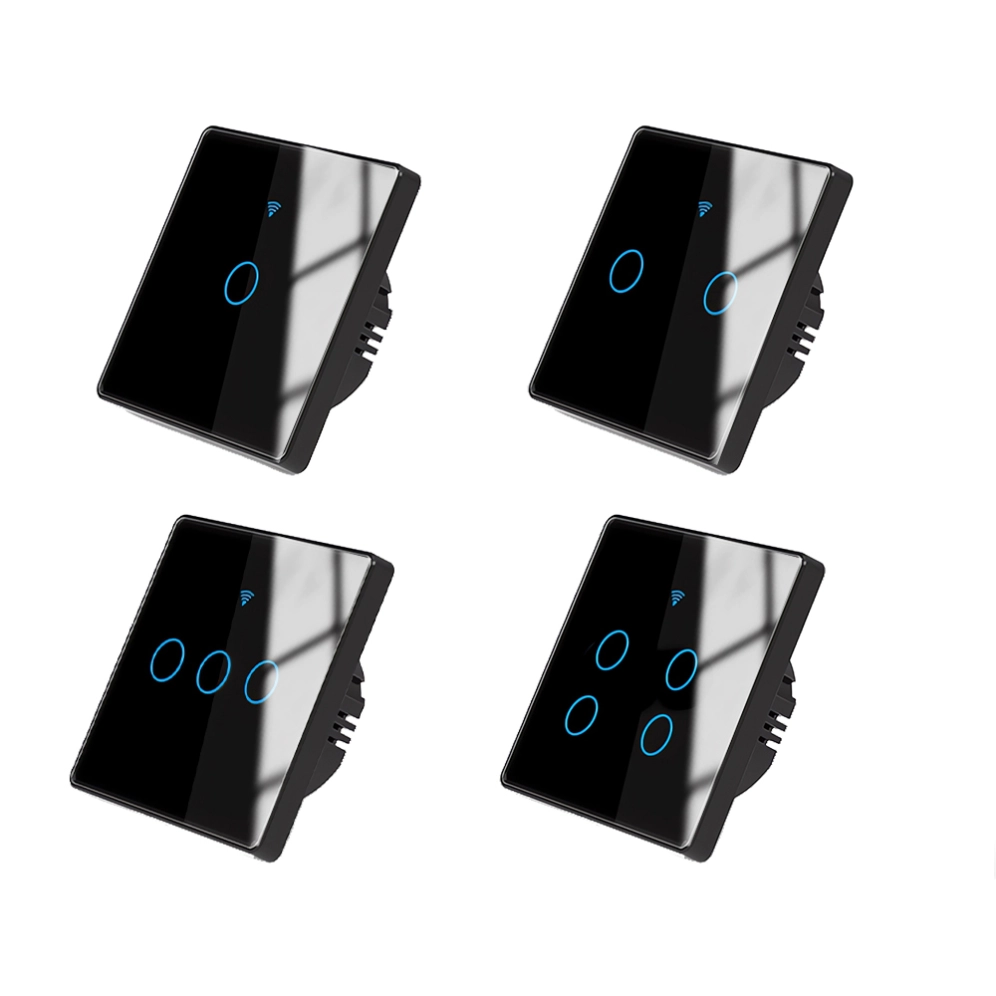
Smart plug or wall switch: WiFi is often suitable for standalone retail products; Zigbee is useful for multi-device systems.
Battery-powered sensor: Zigbee or Thread-based solutions are generally more appropriate because energy consumption matters.
Video doorbell or camera: WiFi or Ethernet is normally required for video bandwidth.
Thermostat and radiator valve: Zigbee can support low-power coordinated HVAC systems, while WiFi may suit standalone products.
Central control panel: A combination of WiFi, Ethernet and Zigbee can provide broad device coordination.
Project intercom: Ethernet or local IP networking can deliver stable building-level communication, with cloud connectivity added where required.
- Sample and Pilot Testing
Before mass production, test the complete customer journey: device pairing, app registration, router compatibility, gateway recovery, scene automation, firmware update, account transfer and factory reset.
For multi-device projects, run a pilot in a realistic apartment, villa or office. Test device count, distance, wall penetration, mesh routing and recovery after power or internet interruption.
- Working with LakiSmart
LakiSmart supports smart home brands, distributors, integrators and project contractors with product selection, OEM and ODM coordination, samples, packaging, firmware communication, quality follow-up and delivery planning.
Our product portfolio includes smart switches, sockets, gateways, control panels, thermostats, sensors, video doorbells and intercom products. Send your target market, protocol preference, product list, estimated quantity and customization requirements to carol@lakismart.com for a project review and quotation.